
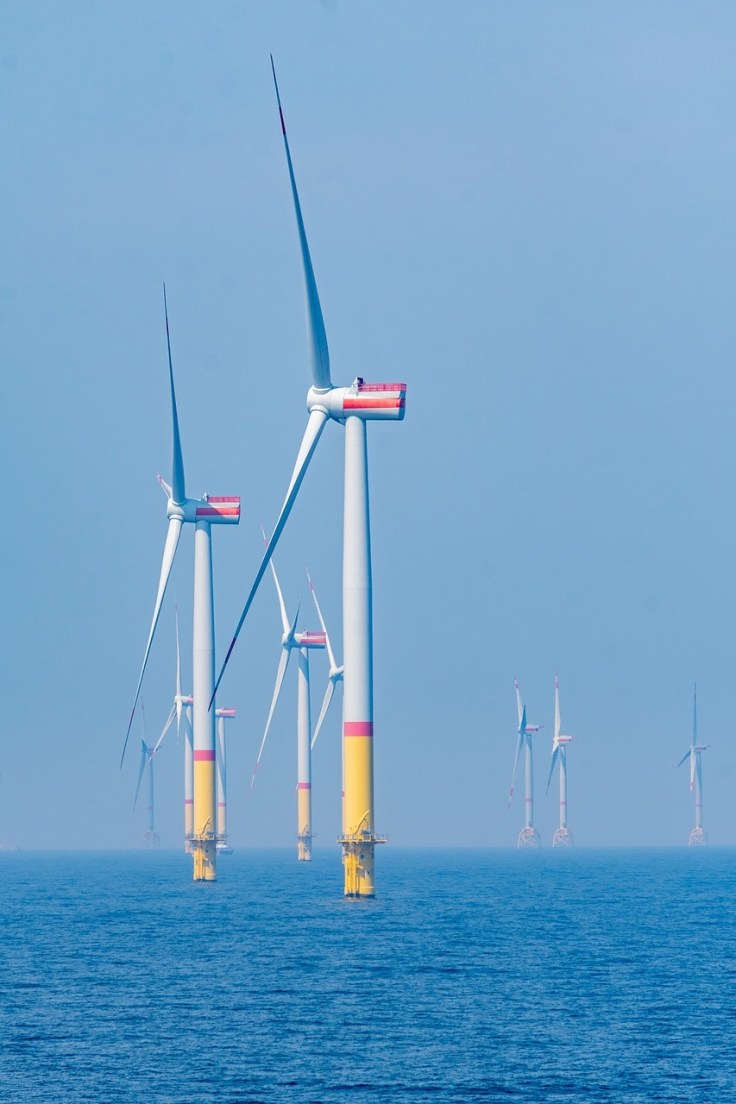
To meet net zero targets offshore wind farm growth will be essential to deliver clean energy. The World Forum Offshore Wind estimated the United Kingdom holds the largest market with approximately 12 GW operational capacity, with China expected to take the lead later this decade (Velenturf et al 2021). Global installed offshore wind capacity is expected to reach 630 GW by 2050 (McKinsey) from 40 GW in 2020.
One of the greatest uncertainties in an offshore wind project are the ground conditions. Geological challenges include slope instability, variable soil conditions, soil liquefaction, soft sediment, coarse lag deposits, mobile sediments, shallow gas, bedrock outcrops, banks, large boulders on the seabed, debris flows, scours, channels, tunnel valleys, sinkholes, earthquakes etc. Site specific information is also needed such as the Quaternary geology in the North Sea to understand ice age impacts for ground condition context.
There is evidence of poor recording and interpretation of geological information and planning not based on the results of previous wind farm investigation/studies (Wood and Knight 2003).
There are increasing moves to transform workflows and integrate more information using ArcGIS as the spatial integrator to build live ground models. With so much information existing in reports, the role of Natural Language Processing (NLP) to support this transformation is clear; and likely essential.
 Infoscience Technologies Ltd
Leave a comment